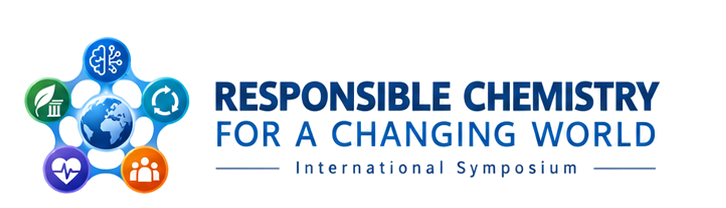
Lecturer · Organizing Committee
Dr Elena Badea
University of Craiova · Romania
Symposium governance
Academic leadership, scientific guidance and organizational coordination supporting Responsible Chemistry 2026 across five interdisciplinary thematic areas.
A compact governance model
The Organizing Committee coordinates the academic and operational delivery of the symposium. The Scientific Committee is formed by the five invited keynote speakers, each representing one thematic area and contributing specialist perspective to the scientific direction of the pilot edition.
Organizing Committee
The Organizing Committee supports the preparation and delivery of the symposium across its academic, logistical and participant-facing activities.
Lecturer · Organizing Committee
University of Craiova · Romania
Lecturer · Organizing Committee
University of Craiova · Romania
Lecturer · Organizing Committee
University of Craiova · Romania
Professor · Organizing Committee
University of Craiova · Romania
Associate Professor · Organizing Committee
University of Craiova · Romania
Professor · Organizing Committee
University of Craiova · Romania
Scientific Committee
The Scientific Committee provides thematic guidance and supports the academic quality and interdisciplinary character of Responsible Chemistry 2026.
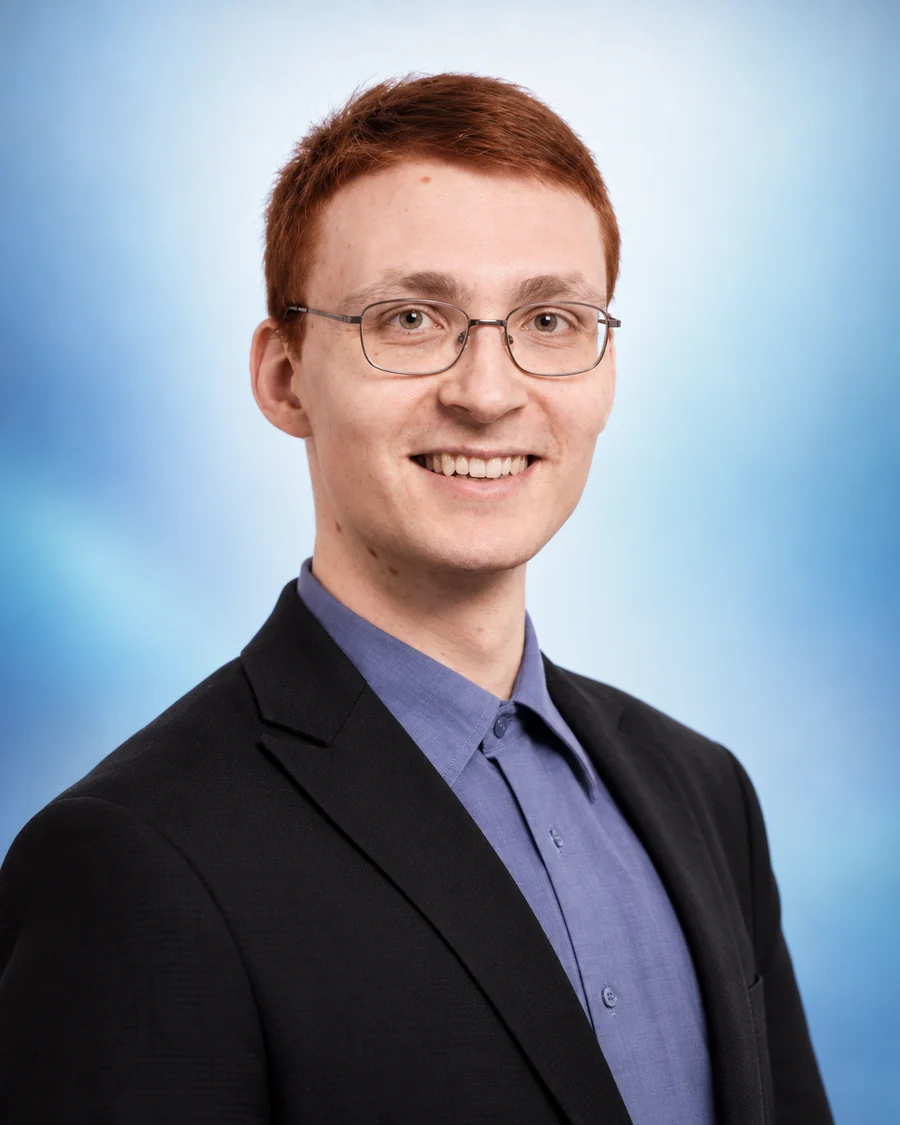
Scientific Committee · Invited Keynote
External Associate Professor, Technical University of Denmark (DTU)
Data Governance Lead (Senior Manager), Novo Nordisk
Expert Lecturer, AIatWork (Brainster)
Scientific ExpertiseEnterprise AI, data governance, responsible AI, AI adoption, organisational transformation and data-driven decision-making.
The keynote explores how artificial intelligence can support greener decisions across chemical discovery and production, with a focus on prioritizing experiments, selecting safer solvents and synthetic routes, and identifying opportunities to reduce waste in manufacturing. Drawing on experience in data governance and a pharmaceutical discovery case, the presentation also examines how chemists can weigh performance, feasibility, safety and environmental impact, and why scientific judgment and experimental evidence are essential to establishing whether AI-assisted decisions lead to measurable environmental improvements.
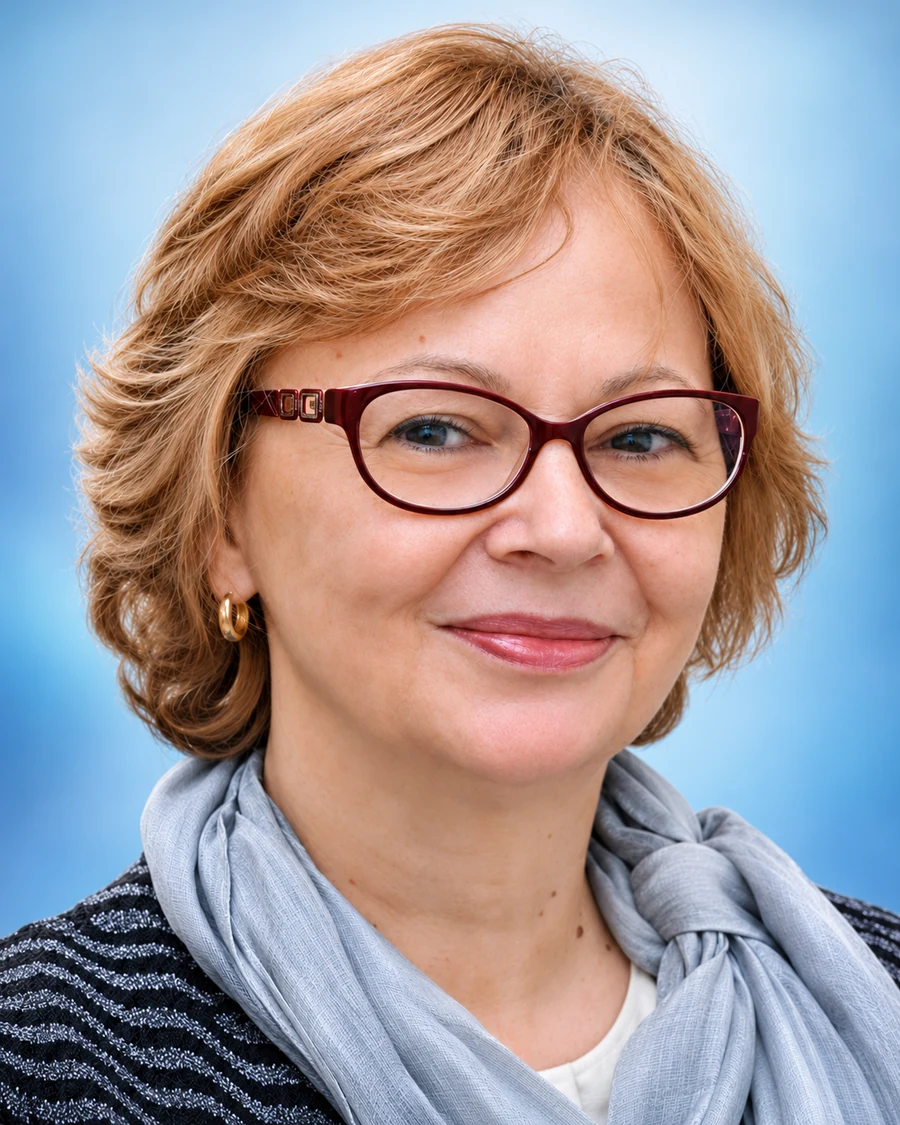
Scientific Committee · Invited Keynote
Principal Researcher
Geological Institute of Romania
Scientific ExpertiseHydrothermal synthesis of oxide nanomaterials and organic–inorganic hybrid nanomaterials for medical applications, energy harvesting and sensors; additive manufacturing (co-author of a European patent in additive manufacturing using nanomaterials); secondary raw materials, particularly critical raw materials (CRM) and the circular economy; and industrial symbiosis.
The presentation explores the critical intersection of sustainable mineral resource management, green chemistry, and circular economy principles in advancing medical 3D printing technologies. It highlights how responsible sourcing of Critical Raw Materials (CRMs), eco-friendly synthesis of biocompatible materials, and closed-loop manufacturing strategies can support the development of patient-specific implants and next-generation medical devices. Particular emphasis is placed on minimizing environmental impacts, reducing hazardous waste, and ensuring resilient, sustainable material supply chains for modern healthcare.
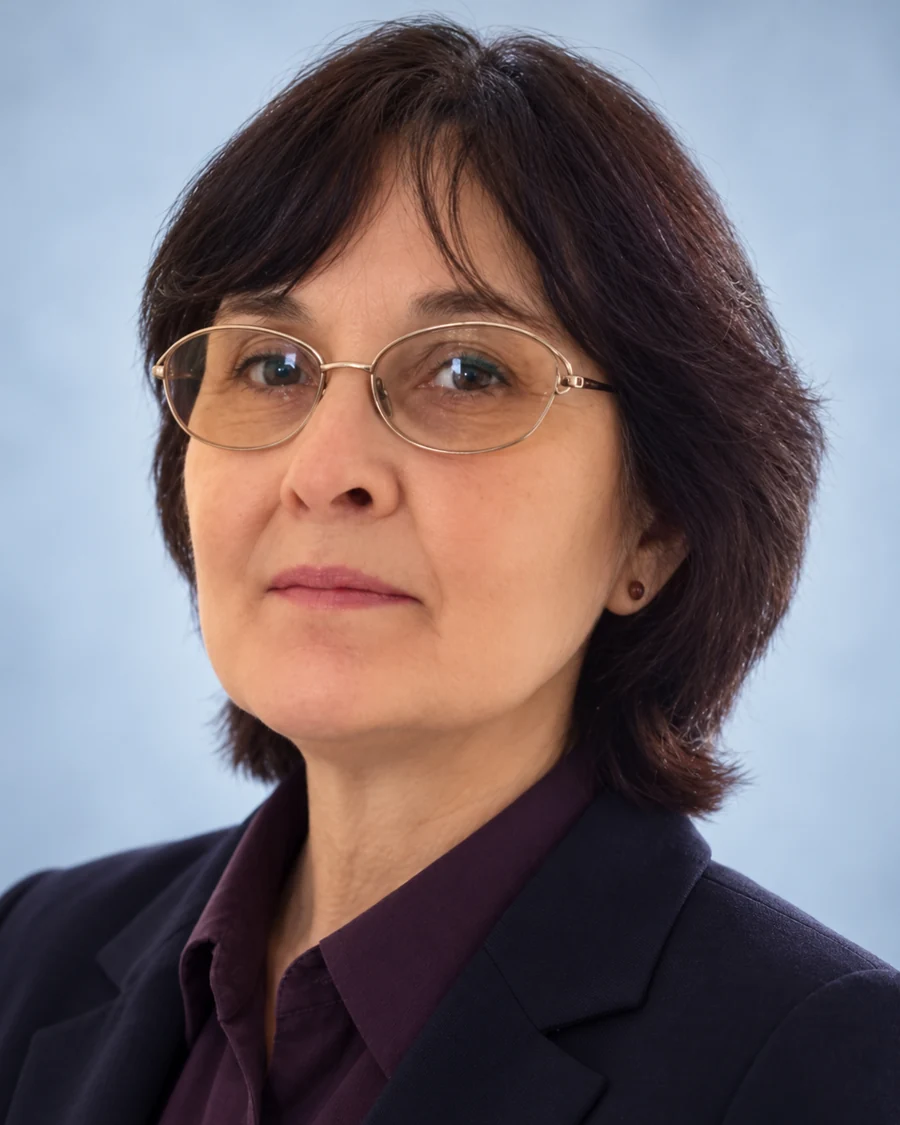
Scientific Committee · Invited Keynote
Faculty of Chemistry and Chemical Engineering
Babeș-Bolyai University
Cluj-Napoca, Romania
Scientific ExpertiseInorganic, Coordination, and Organometallic Chemistry; Research Methodology; Ethics in Chemistry; Academic and Scientific Integrity.
Professional DistinctionFormer Chair of the Working Party on Ethics in Chemistry, European Chemical Society (EuChemS), 2022–2025.
The keynote explores the ethical foundations of responsible chemistry, emphasizing integrity in higher education and scientific research, professional and social responsibility, and the role of chemistry in advancing sustainable development. Drawing on extensive academic experience and leadership in the EuChemS Working Party on Ethics in Chemistry, the presentation also addresses the ethical implications of artificial intelligence and the importance of human judgment, critical thinking, and accountability in chemical education and research.
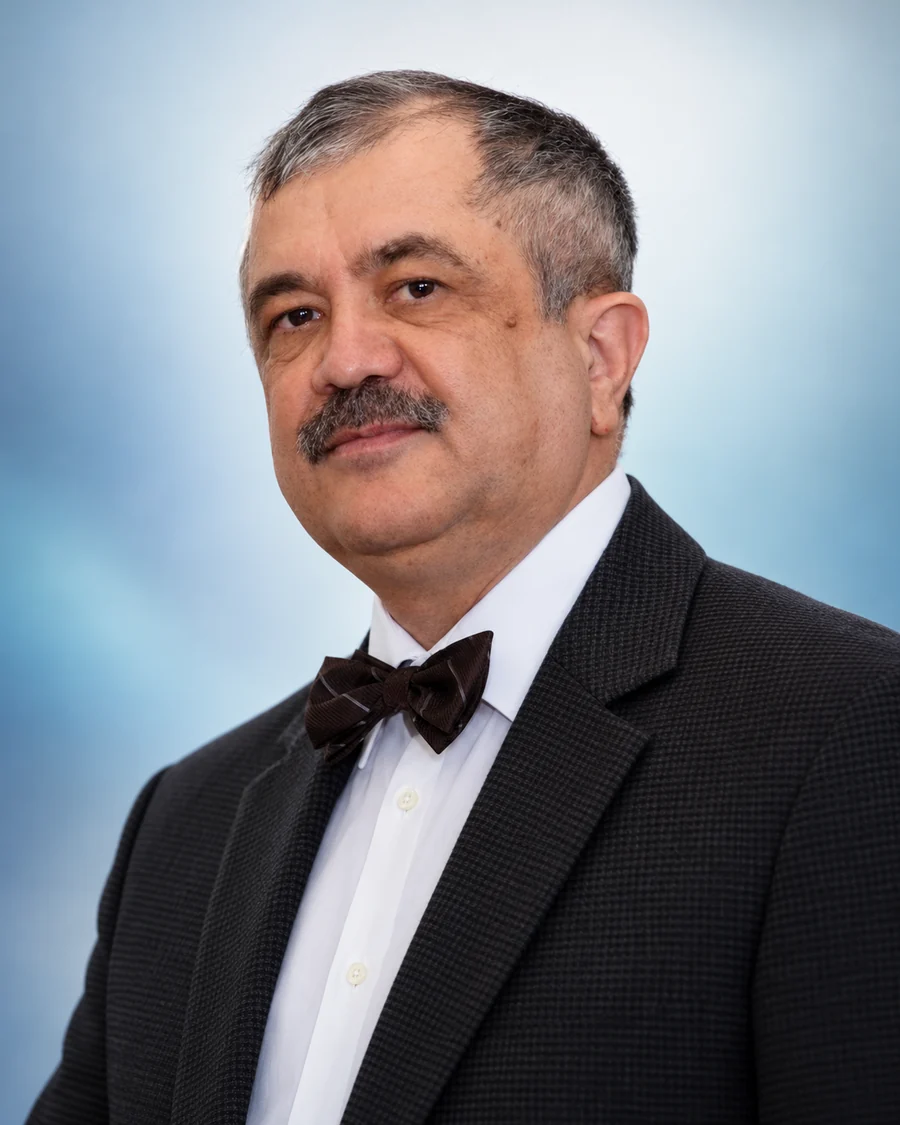
Scientific Committee · Invited Keynote
National University of Science and Technology POLITEHNICA Bucharest
Faculty of Chemical Engineering and Biotechnologies
Department of Bioresources and Polymer Science
ULTRA-MINT Technologies Research Infrastructure
Romania
Scientific ExpertiseProcess intensification through microwave irradiation, electron-beam irradiation, and ultrasound, with applications in biomass processing, biofuel production, and waste treatment and valorization.
The keynote explores the transformation of plastic waste from an environmental burden into a valuable resource through innovative chemical technologies and circular economy strategies. It highlights opportunities for recycling, resource recovery, and waste valorization, emphasizing the potential of process intensification to improve efficiency and reduce environmental impacts. Particular attention is given to the technological and sustainability challenges associated with converting plastic waste into value-added products, supporting the transition towards more resource-efficient and environmentally responsible chemical processes.
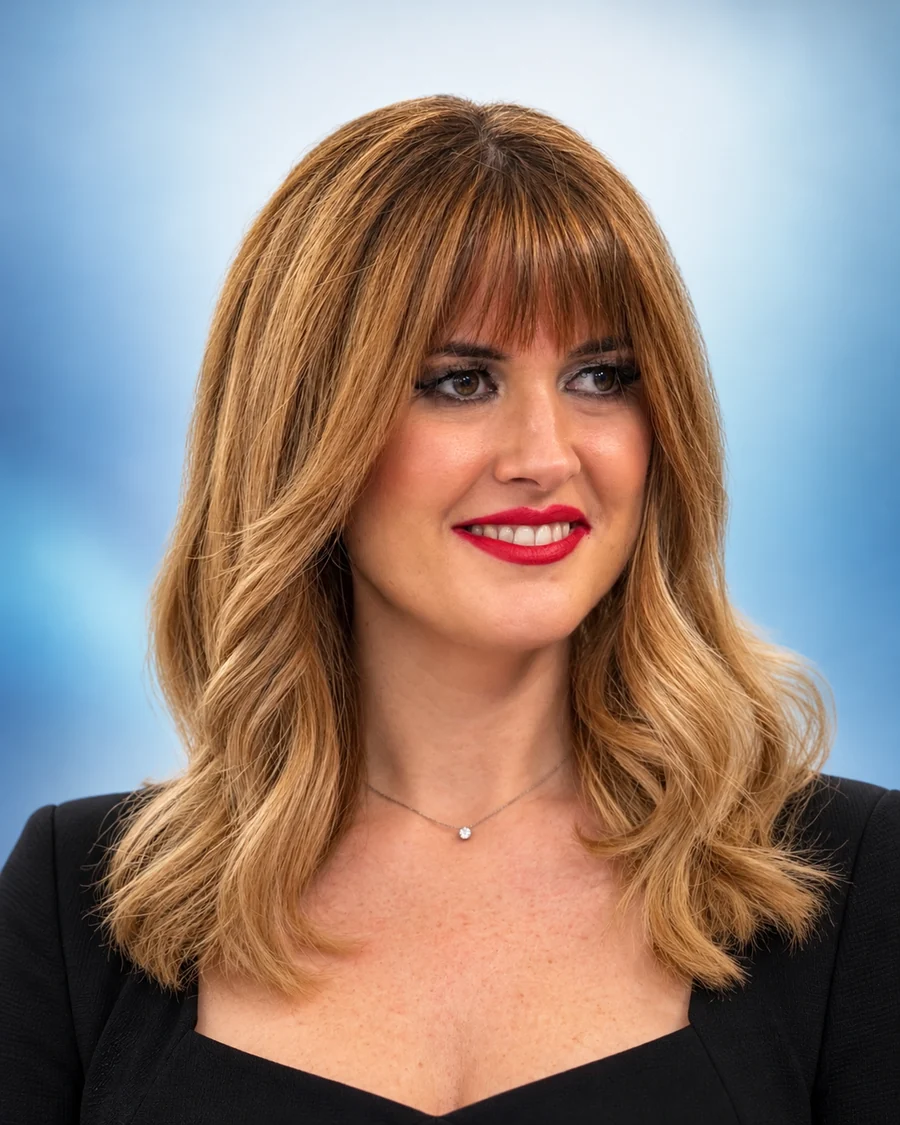
Scientific Committee · Invited Keynote
Associate Professor
Department of Analytical Chemistry
Faculty of Pharmacy
University of the Basque Country (EHU), Spain
Visiting Research Professor
Department of Chemical and Biomolecular Engineering
NYU Tandon School of Engineering
New York University, USA
Scientific ExpertiseAdvanced analytical chemistry and sustainable materials science for the characterization, protection, and conservation of cultural heritage.
The presentation explores the essential role of chemistry in the preservation and sustainable conservation of cultural heritage. It highlights advances in analytical techniques, green chemistry, and innovative conservation materials, emphasizing environmentally responsible approaches, non-invasive diagnostics, and preventive conservation. By integrating scientific innovation, interdisciplinary collaboration, and ethical responsibility, the lecture promotes sustainable strategies for safeguarding cultural heritage while preserving its authenticity and integrity for future generations.
Scientific governance
The Scientific Committee supports thematic direction and academic quality across the five symposium areas. Where additional subject expertise is required, contributions may be supported by external reviewers selected according to scientific relevance and potential conflicts of interest.
Thematic expertise
Each scientific committee member represents one of the five thematic areas.
Academic quality
Scientific guidance supports a coherent, interdisciplinary programme.
Responsible review
Review assignments may draw on additional expertise where appropriate.
Scientific programme
Explore the five thematic sessions, invited perspectives and the programme structure for .
Committee enquiries
For enquiries concerning the scientific programme, committees or symposium participation, please contact the organizing team.